

Understanding Your Options for Post-C-Section Body Restoration
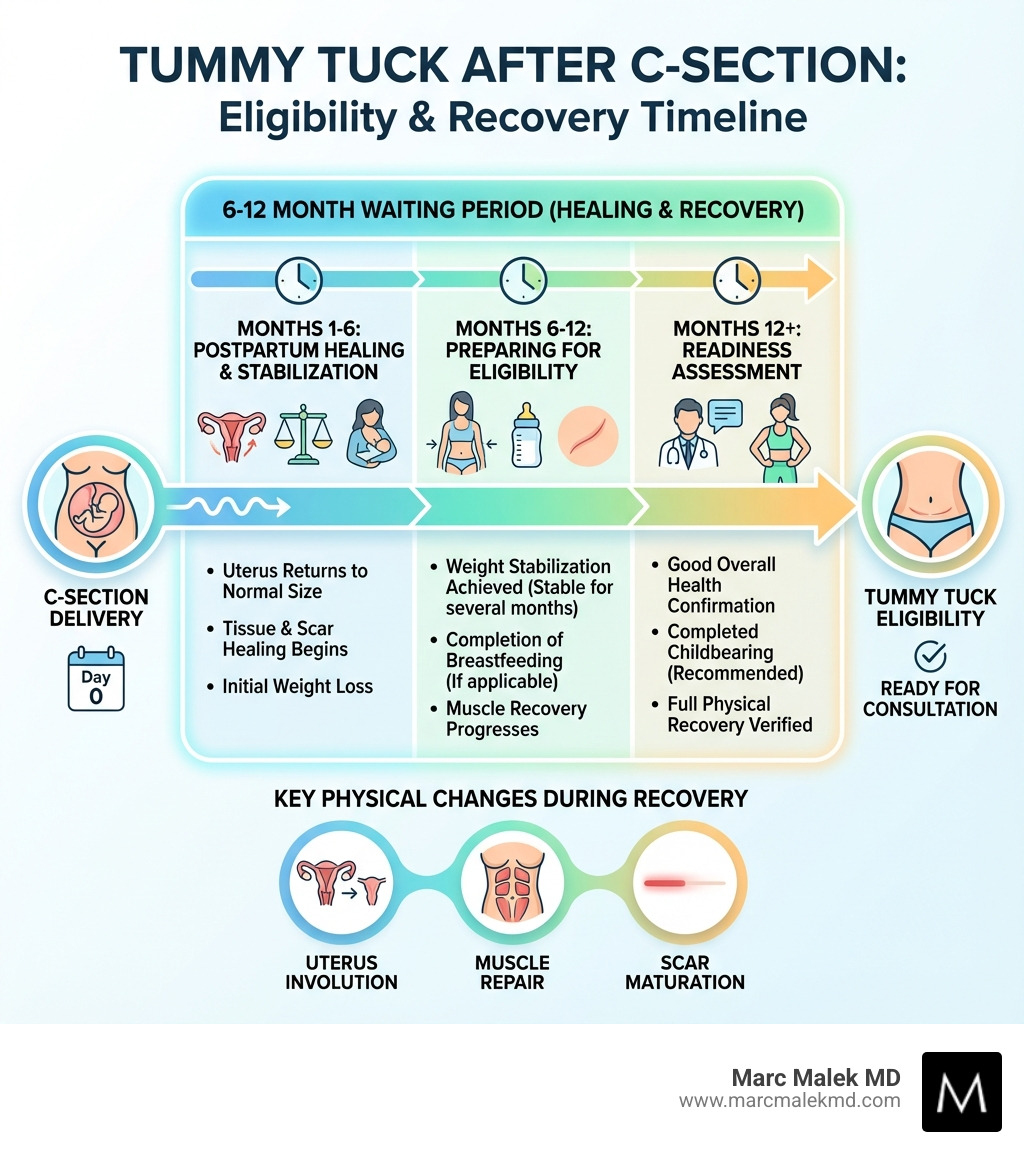
A tummy tuck after C-section is possible and safe, but timing matters. Here’s what you need to know about eligibility:
Key Eligibility Criteria:
- Wait 6-12 months after your C-section delivery
- Be at a stable, healthy weight for several months
- Have finished breastfeeding (if applicable)
- Be in good overall health
- Have completed childbearing (no future pregnancies planned)
- Allow your body to fully heal from pregnancy and delivery
Cesarean sections currently make up 21% of all US births. For many women who deliver via C-section, pregnancy leaves lasting changes—excess skin, stubborn fat, separated abdominal muscles, and the C-section scar itself. Diet and exercise often can’t address these issues, especially when muscles have separated during pregnancy.
A tummy tuck (abdominoplasty) offers a solution. This cosmetic procedure removes excess skin and fat, repairs separated abdominal muscles, and can even improve the appearance of your C-section scar. Many women find it restores not just their pre-pregnancy figure, but also their confidence and comfort in their own body.
The most important thing to know: combining a tummy tuck with your C-section delivery—sometimes called a “C-tuck”—is strongly discouraged by most surgeons. Your body needs time to heal, your uterus needs to return to normal size, and your weight needs to stabilize before a plastic surgeon can achieve optimal results.
This guide will help you understand when and how you can safely pursue a tummy tuck after your C-section, what to expect from the procedure, and how to prepare for the best possible outcome.
Understanding the Procedures: Tummy Tuck vs. C-Section
When we talk about a tummy tuck after C-section, it’s crucial to understand that these are two distinct medical procedures with different purposes, performed by different specialists. While both involve incisions in the abdominal area, their goals, techniques, and the medical expertise required are vastly different.
What a C-Section Involves
A C-section, or Cesarean section, is a major surgical procedure performed to deliver a baby through incisions in the mother’s abdomen and uterus. It is a medical necessity in many cases, performed for various reasons to ensure the health and safety of both mother and baby. The primary focus of a C-section is always the successful delivery of the infant.
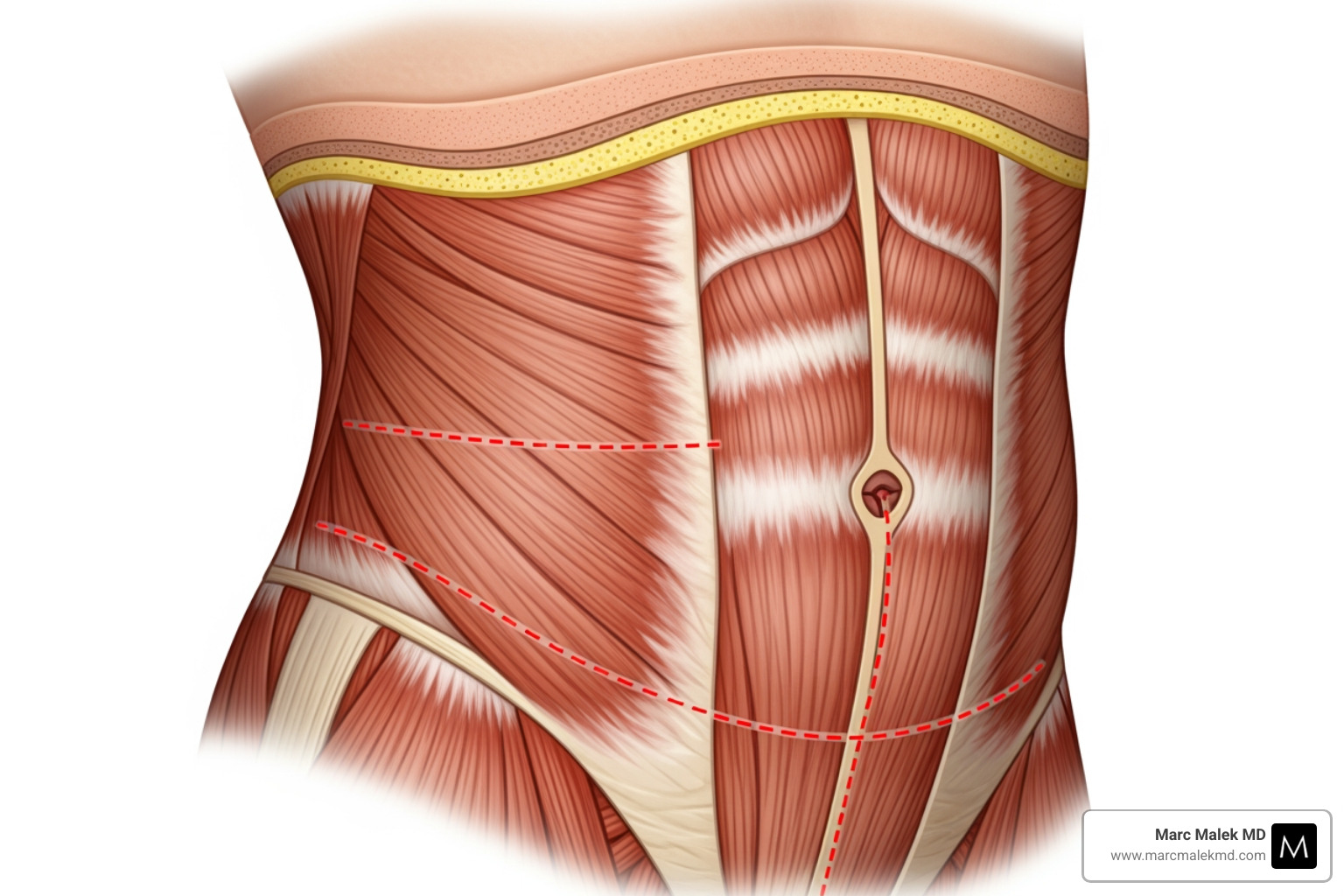
During a C-section, an OB/GYN (obstetrician-gynecologist) makes an incision, typically horizontal, across the lower abdomen, just above the pubic hairline. This incision goes through several layers: skin, fat, fascia, and finally the uterine wall. The abdominal muscles are usually separated rather than cut. Once the baby is delivered and the placenta removed, the uterus and abdominal layers are carefully sutured back together. The recovery period for a C-section is significant, as it involves healing from major surgery and the extensive physical changes of childbirth.
What a Tummy Tuck (Abdominoplasty) Involves
A tummy tuck, or abdominoplasty, is a cosmetic surgical procedure designed to reshape and firm the abdomen. Unlike a C-section, which is a medical necessity, a tummy tuck is an elective surgery chosen to address aesthetic concerns and improve body contour. It’s one of the top five cosmetic surgical procedures in the United States for women ages 30 to 39, reflecting its popularity in addressing post-pregnancy body changes.
During a tummy tuck, a board-certified plastic surgeon, like those at Marc Malek MD in Scottsdale and Phoenix, Arizona, removes excess skin and fat from the abdomen. Crucially, the procedure also involves tightening weakened or separated abdominal muscles, a condition often referred to as Diastasis recti. This muscle repair helps restore a firmer, flatter abdominal wall. The skin is then redraped, and a new opening for the belly button is created, resulting in a smoother, more toned appearance. A tummy tuck restores weakened muscles, something diet and exercise often cannot achieve on their own.
The role of a plastic surgeon is distinct from an OB/GYN. While an OB/GYN specializes in childbirth and the female reproductive system, a plastic surgeon has specialized training in reconstructive and cosmetic surgery, focusing on body aesthetics and function. For a tummy tuck, you need the expertise of a plastic surgeon. Learn more about our Tummy Tuck services.
Why Consider a Tummy Tuck After a C-Section?
Pregnancy and childbirth, especially via C-section, can leave a lasting imprint on a woman’s body. Many of our patients in Scottsdale and Phoenix, Arizona, come to us seeking solutions for these changes. A tummy tuck after C-section can be a transformative step in regaining confidence and comfort.
Addressing Physical Changes
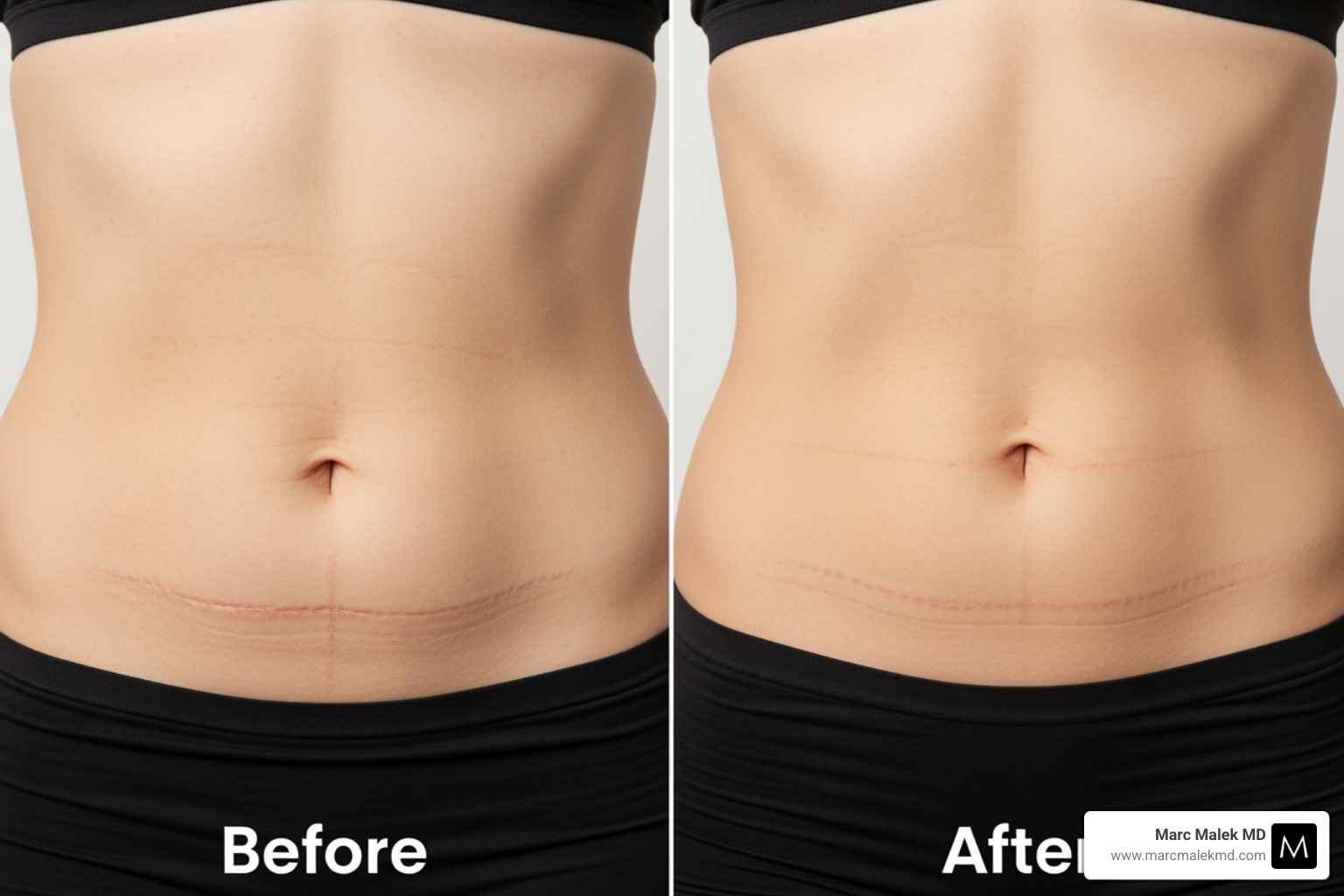
One of the most common concerns after a C-section is the “C-section pouch” or “shelf”—a fold of skin and fat that overhangs the C-section scar. This can be particularly frustrating as it’s often resistant to diet and exercise. A tummy tuck can effectively correct this by removing the excess skin and fat that create this pouch.
Beyond the visible scar, pregnancy often stretches the abdominal muscles, leading to diastasis recti, where the rectus abdominis muscles (the “six-pack” muscles) separate and don’t realign after delivery. This can cause the abdomen to protrude, even if you’re at a healthy weight. A tummy tuck surgically repairs this muscle separation, tightening the abdominal wall and restoring its strength.
Furthermore, a tummy tuck can significantly improve the appearance of your C-section scar. While the C-section scar itself isn’t removed, the plastic surgeon can often incorporate it into the new, lower tummy tuck incision, making it less noticeable or even replacing it with a thinner, more aesthetically placed scar. This helps create smoother, natural-looking skin by balancing scarring areas.
Functional and Aesthetic Benefits
The benefits of a tummy tuck after C-section extend beyond just aesthetics. A flatter, firmer abdomen is certainly a key outcome, but the procedure also offers functional advantages. By tightening the abdominal muscles, a tummy tuck can lead to improved posture, as the core muscles provide better support for the spine. This can also help reduce lower back pain, which many women experience post-pregnancy due to weakened core muscles.
For some women, pregnancy and childbirth can contribute to stress urinary incontinence. While not its primary purpose, strengthening the abdominal wall through a tummy tuck can, in some cases, offer an improvement in this condition.
A tummy tuck helps many women restore their pre-pregnancy body shape, allowing clothes to fit better and boosting overall body confidence and self-esteem. It helps them feel more like themselves again after the incredible journey of motherhood. Many of our patients find that a tummy tuck is a key part of their Mommy Makeover journey, combining it with other procedures for comprehensive rejuvenation. You can see some of these changes in our Abdominoplasty gallery.
Timing is Everything: Your Guide to a Tummy Tuck After C-Section
When considering a tummy tuck after C-section, patience truly is a virtue. The timing of your procedure is one of the most critical factors for both your safety and the success of your results.
The “C-Tuck”: Why Combining Procedures is Not Recommended
You might have heard of the concept of a “C-tuck” – performing a tummy tuck immediately after a C-section delivery. While the idea of combining two surgeries into one recovery period might sound appealing, we, along with most medical professionals, strongly advise against it.
There are several significant reasons why a “C-tuck” is not recommended:
- Disappointing Results: Immediately after delivery, your uterus is still significantly swollen and will take several weeks to return to its pre-pregnancy size. This makes it impossible for a plastic surgeon to accurately assess how much skin and fat truly need to be removed or how much muscle tightening is required for optimal, long-lasting results. What looks like excess skin right after birth may naturally retract over several months.
- Higher Risk of Complications: Combining a C-section with another major surgery like a tummy tuck substantially increases the risks of complications. These can include a higher chance of infection, excessive bleeding, and the formation of blood clots. The prolonged surgical time and the body’s already compromised state post-delivery contribute to these liftd risks.
- Difficult Recovery Period: A C-section is already a major abdominal surgery requiring significant recovery time. Adding a tummy tuck on top of that would make the recovery period far more difficult and painful. New mothers need to focus on healing, bonding with their newborn, and often, breastfeeding. A compounded recovery would severely limit your ability to care for yourself and your baby, making simple tasks like lifting, holding, or even breastfeeding incredibly challenging. Your body is coping with many postpartum transitions, and adding major elective surgery is simply too much.
The expertise for a C-section lies with your OB/GYN, and the expertise for a tummy tuck lies with a board-certified plastic surgeon. These are two different specializations, and combining them at the same time is generally not logistically feasible or medically advisable.
The Ideal Waiting Period for a Tummy Tuck After C-section
So, what is the recommended waiting period between a C-section and a tummy tuck? Most plastic surgeons agree that it’s best to wait at least 6 to 12 months after giving birth. This timeframe allows your body to fully recover from the C-section and the profound changes of pregnancy.
Here’s why this waiting period is crucial:
- Complete Healing: Your C-section incision needs adequate time to heal completely, and any internal swelling from pregnancy and surgery needs to subside.
- Weight Stabilization: It’s important to return to a stable, healthy weight, ideally your pre-pregnancy weight, before undergoing a tummy tuck. This ensures that the surgeon can accurately assess the amount of skin and fat to be removed, leading to the best possible aesthetic outcome.
- Hormonal Balance: Your body undergoes significant hormonal shifts during and after pregnancy. Allowing these hormones to rebalance helps ensure better healing and tissue quality.
- Finished Breastfeeding: If you are breastfeeding, it’s generally recommended to finish before undergoing a tummy tuck. This is due to the medications and anesthesia used during and after the surgery, which could potentially affect breast milk.
- Focus on Your Baby: The first few months with a newborn are precious and demanding. Waiting ensures you can dedicate your full attention to your baby without the added physical burden of recovering from extensive cosmetic surgery.
Patience during this waiting period is key to achieving optimal, long-lasting results from your tummy tuck after C-section.
Your Tummy Tuck Journey: From Preparation to Long-Term Results
Starting on a tummy tuck after C-section journey is a significant decision, and we are here to guide you through every step. From your initial consultation in our Scottsdale or Phoenix, Arizona, offices to your long-term results, we prioritize your safety, comfort, and satisfaction. A comprehensive understanding of the procedure, preparation, and recovery is essential for a smooth experience and excellent outcomes. For a comprehensive overview of the procedure, we often refer patients to trusted medical resources.
Choosing the Right Procedure
Not all tummy tucks are created equal, and the best type for you will depend on the extent of your concerns after your C-section. During your consultation, we will assess your unique anatomy and goals to recommend the most suitable option.
Here are the different types of tummy tuck procedures:
- Mini Tummy Tuck: This procedure addresses concerns primarily in the lower abdomen, typically below the belly button. It involves a shorter incision, often just above the pubic area, and is ideal for individuals with minimal excess skin and fat and mild muscle laxity in this region. The belly button is usually not repositioned.
- Full Tummy Tuck (Traditional Abdominoplasty): This is the most common type of tummy tuck, addressing both the upper and lower abdomen. It involves a longer horizontal incision from hip to hip, and typically a second incision around the belly button to reposition it. A full tummy tuck allows for extensive removal of excess skin and fat, and comprehensive tightening of the abdominal muscles (diastasis recti repair). This is often the procedure of choice for women dealing with significant post-pregnancy changes.
- Extended Tummy Tuck: For individuals with substantial skin laxity that extends beyond the abdomen to the flanks (sides) and even the lower back, an extended tummy tuck may be recommended. This involves a longer incision that wraps around the sides to address more widespread loose skin and fat. This is less common for C-section patients unless there has been significant weight loss in addition to pregnancy.
- Liposuction Combination: Often, liposuction is performed in conjunction with any type of tummy tuck to further refine the body’s contours, removing stubborn fat pockets from the flanks or other areas to create a more harmonious silhouette.
We encourage you to explore our blog post Comparing the Full and Mini Tummy Tuck for more detailed information.
Preparation and Recovery
Proper preparation is vital for a successful tummy tuck after C-section. We will provide you with detailed instructions, but generally, preparation includes:
- Achieving a Stable Weight: As mentioned, being at a stable, healthy weight for several months before surgery is crucial for optimal results and reduced risks. A tummy tuck is not a weight-loss procedure.
- Quitting Smoking: Smoking significantly impairs healing and increases the risk of complications. We require patients to stop smoking well in advance of surgery.
- Arranging Post-Op Support: You will need help at home, especially for the first few weeks of recovery. This includes childcare, household tasks, and transportation.
- Medication Review: We will review your current medications and advise you on which to stop before surgery (e.g., blood thinners, certain supplements).
The recovery period for a tummy tuck typically involves initial swelling, bruising, and discomfort, managed with prescribed pain medication. You will wear compression garments for several weeks to help reduce swelling and support your healing tissues. If drains are used, we will teach you how to care for them. Activity restrictions are important; you’ll need to avoid heavy lifting and strenuous exercise for several weeks.
Long-term results from a tummy tuck after C-section are generally excellent and long-lasting, provided you maintain a stable weight and a healthy lifestyle. While a tummy tuck can dramatically improve your abdominal contour, it’s important to understand that new pregnancies can compromise these results. We typically recommend waiting until you have completed your family before undergoing the procedure. Scar care will also be an important part of your long-term routine to help your incision fade as much as possible.
Frequently Asked Questions about Tummy Tuck After C-Section
We understand that you’ll have many questions as you consider a tummy tuck after C-section. Here, we address some of the most common inquiries our patients have.
Is a tummy tuck more painful than a C-section?
This is a common question, and while both are major abdominal surgeries, many patients report that the recovery from a tummy tuck can feel “easier” than a C-section. Why? Because during a tummy tuck recovery, your primary focus is on your own healing. You don’t have the added physical demands and emotional responsibilities of caring for a newborn, which is a significant factor in C-section recovery.
Pain management will be a key part of your post-tummy tuck care, with prescribed medications to keep you comfortable. Our team in Scottsdale and Phoenix, Arizona, will ensure you have all the necessary information and support for a smooth recovery.
Will a tummy tuck completely remove my C-section scar?
While a tummy tuck cannot completely erase a C-section scar, it can significantly improve its appearance and often remove the “C-section shelf” or overhang. During the tummy tuck procedure, your plastic surgeon will typically incorporate the existing C-section scar into the new, longer horizontal incision. This means the old scar is often excised along with the excess skin.
The result is usually a single, lower-placed scar that runs from hip to hip, which can be easily concealed by underwear or a bikini bottom. While a new scar will be present, it tends to be thinner and more aesthetically pleasing than the original C-section scar, and it is carefully closed to promote optimal healing and fading over time. The overall contouring of the abdomen also helps to make any remaining scar less prominent.
Can I get pregnant again after a tummy tuck?
Yes, it is generally safe to get pregnant again after a tummy tuck. The procedure primarily involves the skin, fat, and the superficial abdominal muscles, not the uterus itself. However, we strongly recommend that patients complete their childbearing before undergoing a tummy tuck.
Another pregnancy after a tummy tuck can stretch the abdominal skin and muscles again, potentially compromising or even reversing the aesthetic results of your surgery. While the procedure won’t harm a future pregnancy, you might find yourself needing another tummy tuck to restore the results. Planning your tummy tuck for when your family is complete ensures the longest-lasting and most satisfying outcome.
Achieve Your Post-Pregnancy Body Goals
Navigating the journey of motherhood is incredible, but it’s also okay to want to feel confident and comfortable in your own skin again. A tummy tuck after C-section can be a powerful step towards restoring your pre-pregnancy body and boosting your self-esteem.
We’ve covered a lot: the distinction between a C-section and a tummy tuck, the compelling benefits of the procedure, why patience and proper timing are paramount, and what to expect on your journey. The most important takeaways are to allow your body ample time to heal, ensure you’re at a stable weight, and to always choose a board-certified plastic surgeon.
At Marc Malek MD in Scottsdale and Phoenix, Arizona, we pride ourselves on our personal and artistic approach to delivering fantastic, long-lasting results. We focus on patient comfort, convenience, and promoting a healthy lifestyle to achieve proportionally balanced bodies. Our team is dedicated to helping you achieve your aesthetic goals with the highest standards of care.
If you’re ready to take the next step and explore how a tummy tuck can help you reclaim your body after a C-section, we invite you to reach out. Contact us to schedule a Tummy Tuck consultation with Dr. Malek today. We look forward to helping you on your journey!