

Why Laser Skin Resurfacing is Changing Skin Care
Laser skin resurfacing is a cosmetic procedure that uses concentrated light beams to treat wrinkles, scars, sun damage, and uneven texture. If aging or acne has left your skin with lines or uneven color, this non-surgical solution can reveal a fresher, younger-looking appearance by stimulating robust collagen production.
Quick Overview: What You Need to Know
- What it treats: Fine lines, wrinkles, acne scars, sun damage, age spots, uneven skin tone
- How it works: Laser energy removes damaged skin layers and stimulates new collagen growth
- Types available: Ablative (intensive), non-ablative (gentle), and fractional (targeted)
- Recovery time: 1-3 weeks, depending on treatment depth
- Results: Can last for several years with proper care
- Average cost: $1,445-$2,509 per session
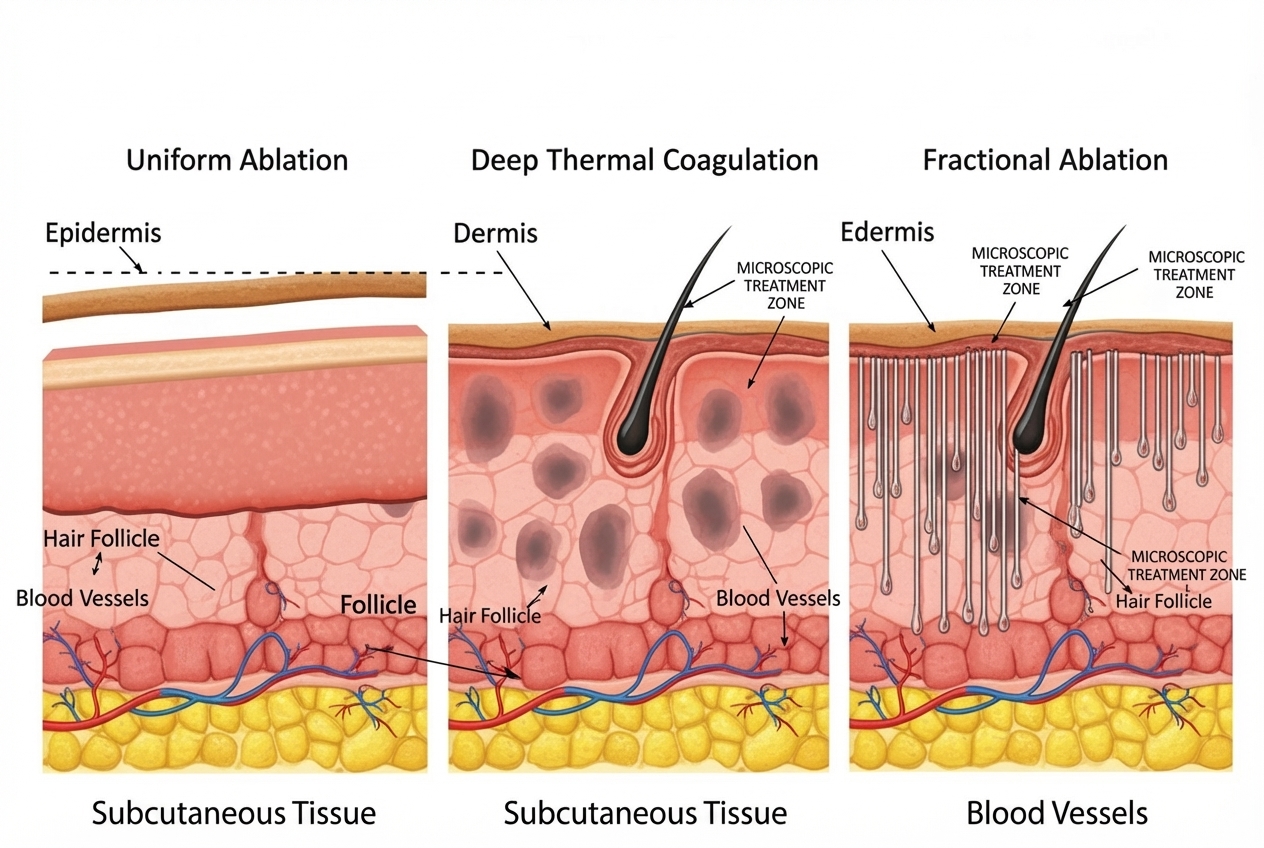
Modern laser systems offer precise control over treatment depth, allowing for customized procedures custom to your specific skin type and concerns. Advanced fractional lasers create microscopic treatment columns, leaving surrounding tissue intact for faster healing and fewer side effects.
While laser skin resurfacing can’t stop aging or fix sagging skin, it can dramatically improve texture and tone. The key is choosing the right laser for your goals and working with an experienced provider who understands how different technologies interact with various skin types.
Understanding the Technology: How Lasers Refresh Your Skin
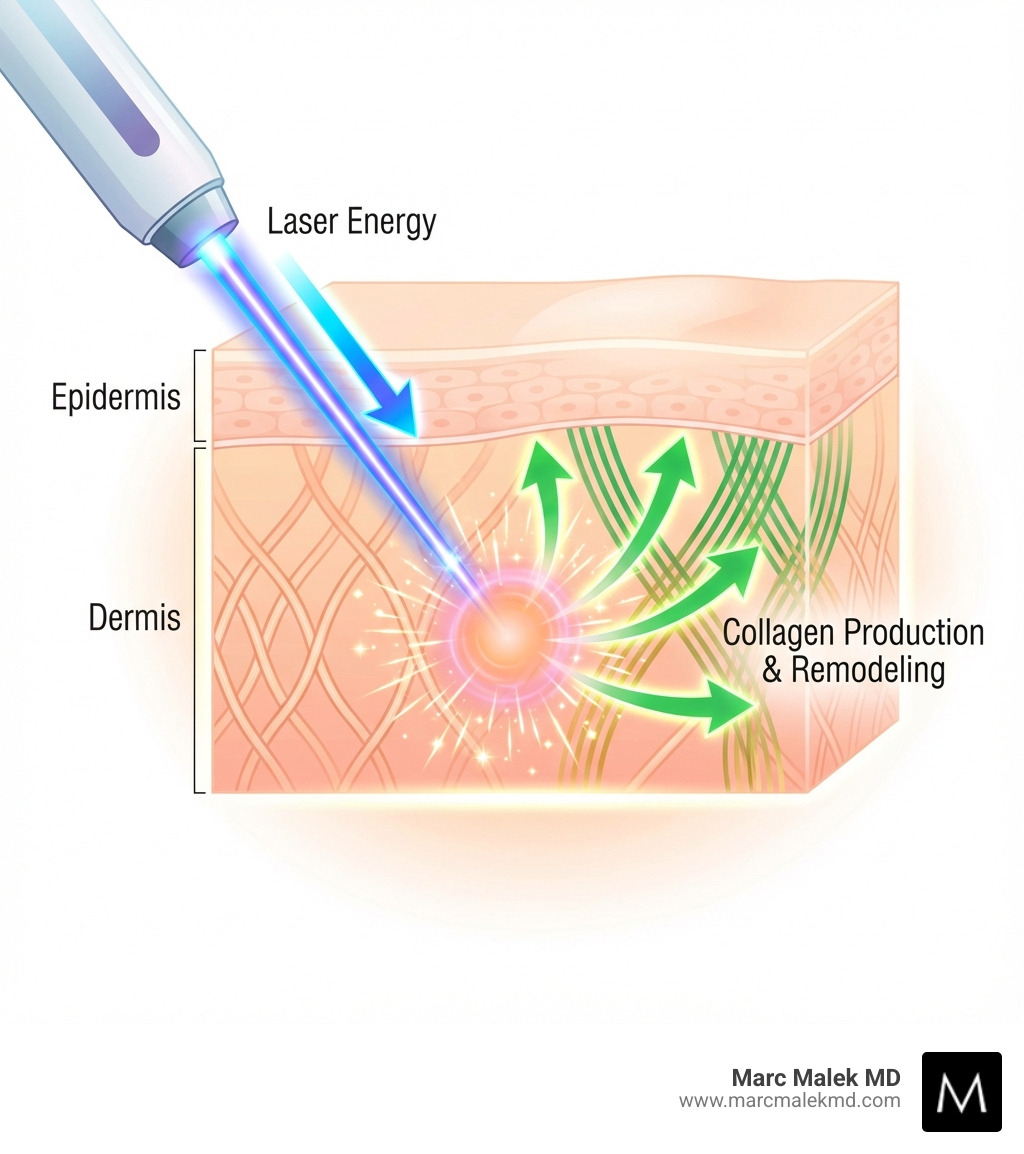
At its core, laser skin resurfacing uses focused light energy to refresh your skin by leveraging your body’s natural healing capabilities to create a smoother, more youthful complexion.
What is laser skin resurfacing and how does it work?
Laser skin resurfacing, also known as a laser peel, reduces facial wrinkles, scars, and blemishes. The principle is “selective photothermolysis,” where the laser targets specific elements in your skin with precise wavelengths of light. A surgeon sends short, concentrated beams of light at irregular skin, removing damaged layers one at a time. This process vaporizes the outer skin layer (epidermis) while heating the underlying skin (dermis).
This controlled injury triggers a natural healing response. The heat stimulates new collagen fiber growth, the building blocks of firm, elastic skin. As new skin forms, it is smoother and firmer with a more even tone. The precision of modern lasers allows for extreme accuracy, especially in delicate areas. For a deeper dive into the science, you can explore scientific research on fractional photothermolysis.
The Spectrum of Treatments: Ablative, Non-Ablative, and Fractional
Understanding the different types of lasers is key to choosing the right treatment. They are categorized as ablative, non-ablative, and fractional, each with unique benefits and recovery profiles.
| Feature | Ablative Lasers | Non-Ablative Lasers | Fractional Lasers |
|---|---|---|---|
| Intensity | High (removes top skin layers) | Low to Medium (heats without removing) | Medium to High (creates micro-columns) |
| Downtime | Longer (1-3 weeks) | Shorter (minimal to none) | Moderate (1-2 weeks) |
| Sessions | Often 1 treatment | Multiple (4-6 sessions) | Multiple (depends on depth) |
| Best For | Deep wrinkles, severe sun damage, scars | Fine lines, mild sun damage, texture, pigmentation | Wrinkles, scars, texture, pigmentation (faster healing) |
-
Ablative Lasers: The most aggressive type, these vaporize the outer skin layers to produce dramatic results and significant collagen remodeling. CO2 lasers are a gold standard for treating deep wrinkles and scars but have a longer recovery. You can find more info about CO2 Laser Resurfacing on our site. Erbium lasers are used for more superficial lines and typically have a faster recovery.
-
Non-Ablative Lasers: These heat the underlying skin without removing the top layer. They stimulate collagen with less downtime, though results are more gradual and may require multiple sessions. They are often safer for darker skin tones.
-
Fractional Lasers: This innovative approach treats microscopic columns of tissue, leaving surrounding skin intact for faster healing. This method, available in ablative and non-ablative forms, effectively addresses fine lines, scars, and sun damage with a more comfortable recovery.
Other related light-based treatments include Pulsed-Dye Lasers for redness and hyperpigmentation, and IPL (Intense Pulsed Light) for sun damage and vascular lesions.
What Skin Conditions Can Be Treated?
Laser skin resurfacing is incredibly versatile, addressing a wide array of common skin concerns. The treatment can significantly improve:
- Fine lines and wrinkles: Especially around the eyes, mouth, and forehead.
- Acne and chickenpox scars: Mild to moderate scars can be significantly reduced. We offer specialized treatments to erase scars with the help of laser technology.
- Sun-damaged skin: Laser resurfacing can refresh a dull complexion and rough texture. We also emphasize preventing and repairing sun damage for long-term skin health.
- Age spots and uneven skin tone: Pigmented lesions and blotchiness can be faded for a more uniform complexion.
- Enlarged oil glands, warts, and certain birthmarks.
The effectiveness of laser skin resurfacing stems from its ability to precisely remove damaged skin cells while stimulating the growth of new, healthy skin and collagen.
The Procedure Journey: From Preparation to Lasting Results
Starting on a laser skin resurfacing journey involves several steps, from consultation to the final reveal of your refreshed skin. We guide you through each phase to ensure safety and optimal results.
Preparing for Your Treatment
Proper preparation is crucial for a successful outcome. During your consultation, we will review your medical history and goals.
Key preparation steps include:
- Medical Review: We’ll assess your health and any history of cold sores, for which we may prescribe antiviral medication.
- Sun Avoidance: Avoid tanning or heavy sun exposure for four weeks before treatment and use a broad-spectrum SPF 30+ sunscreen daily.
- Medication Adjustments: Stop taking medications that affect clotting (like aspirin or ibuprofen) about 10 days prior. Avoid photosensitizing drugs for at least 72 hours before.
- Smoking Cessation: Quit smoking at least two weeks before and after treatment, as it significantly impairs healing.
- Avoid Other Treatments: Refrain from deep facial peels or other aggressive treatments for four weeks prior.
What to Expect During and Immediately After the Procedure
Laser skin resurfacing is an outpatient procedure performed in our Scottsdale clinic. For smaller areas, a local anesthetic is often sufficient, while full-face treatments may involve general anesthesia for comfort. The procedure can take 30 minutes to two hours, depending on the treatment area.
Immediately after, you may experience sensations similar to a sunburn, with redness and swelling. We will apply a protective ointment and may bandage the area. Cool compresses and sleeping with an extra pillow can help manage swelling. Our team will provide detailed post-procedure instructions for your comfort.
The Recovery Process and Long-Term Results
Recovery timelines vary by laser type. Milder treatments may require a week, while more intensive ablative lasers can take two to three weeks for initial healing. New skin typically covers the area in 7-10 days.
- Healing: Your skin will peel as it heals; do not pick at it to prevent scarring. Redness is normal and can last for several weeks or months, gradually fading.
- Aftercare: A meticulous aftercare routine is vital. This includes gentle cleansing, regular application of a moisturizing ointment like petroleum jelly, and strict sun avoidance. Use a broad-spectrum sunscreen (SPF 30+) daily, as new skin is highly vulnerable to sun damage.
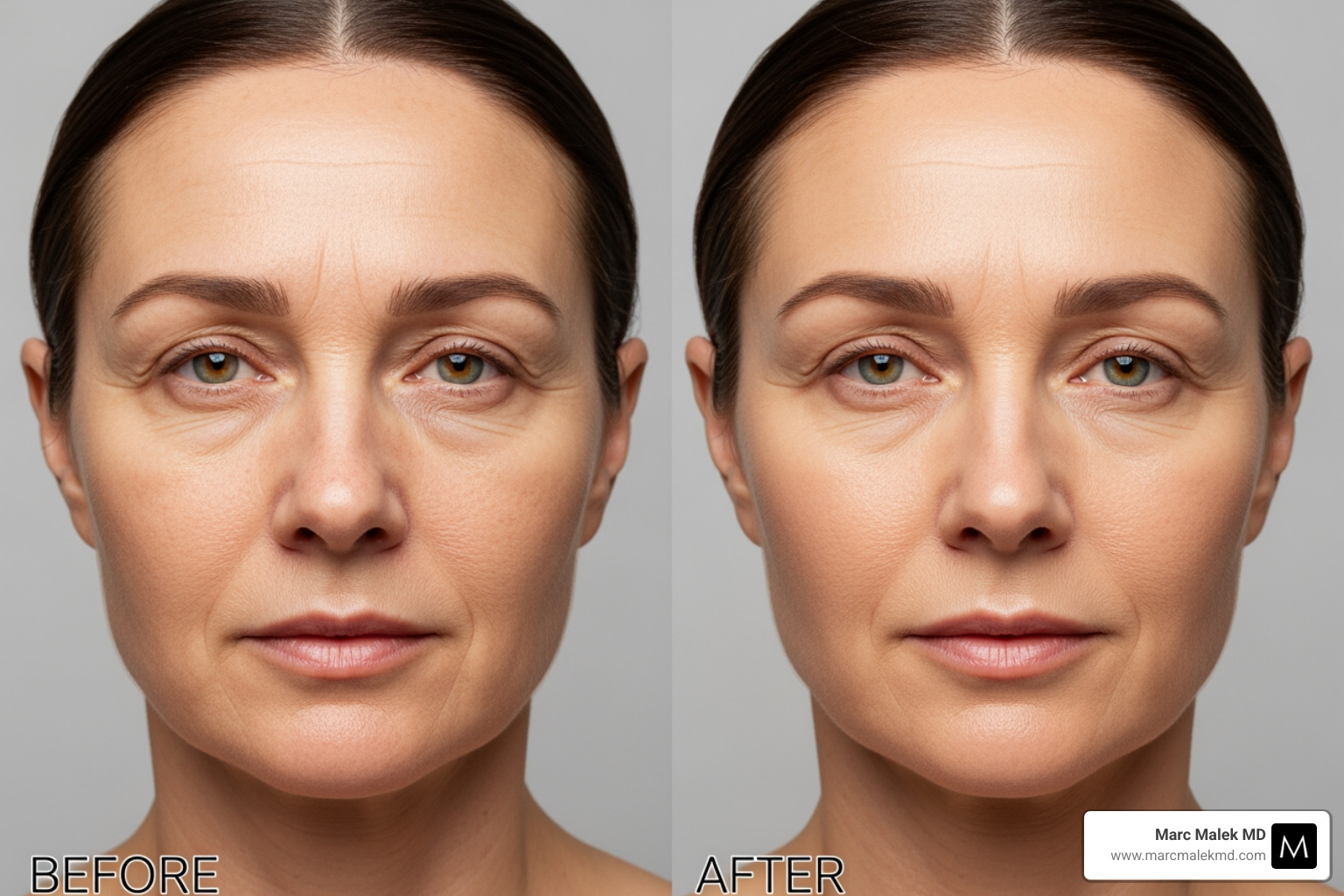
- Long-Term Results: The improvements can be dramatic and last for several years. The treatment stimulates new collagen, with skin texture and firmness continuing to improve for up to a year. A healthy lifestyle and good skincare will help prolong your results. For a comprehensive overview of outcomes, consult this scientific overview of the laser resurfacing spectrum.
Candidacy, Risks, and Key Considerations for Laser Skin Resurfacing
Deciding if laser skin resurfacing is right for you involves considering your skin type, health, and expectations, as well as understanding the potential risks.
Who is a good candidate for laser skin resurfacing?
Good candidates are individuals with realistic expectations who are committed to following pre- and post-treatment protocols. You might be a good candidate if you have:
- Fine lines, light wrinkles, or shallow scars from acne or chickenpox.
- Sun-damaged skin, including age spots or uneven pigmentation.
- Fair to medium skin tones, which generally have a lower risk of pigmentation changes.
- Are a non-smoker, as smoking impairs healing.
Laser skin resurfacing might not be recommended if you have active acne, very dark skin, deep wrinkles, or excessive sagging skin. It is also not suitable for those with certain autoimmune disorders, a history of keloidal scarring, or who have recently taken isotretinoin (Accutane). A thorough consultation will determine your suitability.
Potential Risks and Side Effects
While serious complications are rare with an experienced provider, potential risks exist. Common side effects include temporary swelling, itching, and redness that can last for several weeks or months. Other potential risks include:
- Changes in skin color: Hyperpigmentation (darkening) or hypopigmentation (lightening) can occur, with a higher risk for darker skin tones.
- Infection: Bacterial or viral infections (like a herpes outbreak) are possible, which is why we often prescribe preventative medication.
- Scarring: Though uncommon, scarring is a risk, especially if aftercare instructions are not followed.
- Milia: Small white bumps may appear during healing but usually resolve with gentle cleansing.
Our team takes every precaution to minimize these risks through careful patient selection and detailed aftercare instructions.
How It Compares to Other Rejuvenation Options
Laser skin resurfacing is a powerful tool for improving skin texture and tone, but it’s not always a standalone solution.
- Facelifts: A surgical facelift is the gold standard for addressing significant skin sagging, which lasers cannot fix. However, laser resurfacing is an excellent complementary procedure to improve overall skin quality.
- Dermabrasion: This mechanical “sanding” of the skin offers results similar to ablative lasers but with less precise control over depth.
- Microneedling: A less aggressive option with minimal downtime, microneedling is suitable for fine lines and mild scarring, but results are less dramatic than laser resurfacing.
- Chemical Peels: Peels use acidic solutions to exfoliate skin. While effective, lasers offer greater precision and control over treatment depth.
For a broader perspective, you can explore other non-surgical facial rejuvenation options. We create personalized treatment plans that may combine approaches to achieve your desired outcome.
Finding the Right Provider and Understanding Costs
Choosing the right professional for your laser skin resurfacing procedure is just as important as understanding the treatment itself. The skill and experience of your provider directly impact your safety and results.
Choosing a Qualified Provider
When considering laser skin resurfacing in Scottsdale, selecting a highly qualified provider is critical. Look for:
- A board-certified plastic surgeon or dermatologist: These specialists, like Dr. Malek, have rigorous training in skin anatomy and advanced aesthetic procedures.
- Experience with laser technology: Your provider should regularly perform laser resurfacing and understand how different platforms (CO2, Erbium, etc.) interact with various skin types.
- A strong portfolio: Review before and after photos to see results for patients with concerns similar to yours.
- An artistic approach: An excellent provider possesses an artistic eye. Dr. Malek focuses on proportionally balanced results that improve your natural beauty.
Choosing an experienced professional ensures your procedure is performed safely and effectively. For more insights, explore technology in plastic surgery.
What is the Cost of Laser Skin Resurfacing?
The cost of laser skin resurfacing varies. According to 2020 data from the American Society of Plastic Surgeons, the average cost was about $2,509 for ablative treatments and $1,445 for non-ablative treatments. In Scottsdale, AZ, sessions can range from $1,500 to $3,500.
Factors influencing the final price include:
- Provider’s experience and geographic location.
- Type of laser used (ablative lasers are generally more expensive).
- Size of the treatment area.
- Number of sessions required.
As an elective cosmetic procedure, laser skin resurfacing is typically not covered by health insurance. During your consultation, we will provide a detailed cost breakdown based on your personalized treatment plan.
Conclusion: Your Next Step Towards Radiant Skin
Laser skin resurfacing offers a powerful path to changing your skin, with benefits like improved quality, reduced wrinkles, and a more radiant complexion. These results can be long-lasting, instilling a renewed sense of confidence. However, success hinges on both advanced technology and the expertise of your provider.
At our practice in Scottsdale, Dr. Marc Malek combines cutting-edge laser skin resurfacing technology with his personal, artistic approach. We prioritize your comfort and safety, customizing every treatment plan to your unique skin type and aesthetic goals. Our mission is to deliver fantastic, long-lasting results that improve your natural beauty.
If you’re ready to take the next step towards revitalized skin, we invite you to consult with us. Together, we can explore how laser skin resurfacing can help you achieve your desired look.