

Introduction: What to Expect After Your Procedure
Breast augmentation with fat transfer recovery is a unique healing journey that involves caring for both your newly improved breasts and the areas where fat was harvested. Understanding what happens during recovery helps you prepare for a smooth, successful outcome and achieve the natural-looking results you want.
Quick Recovery Overview:
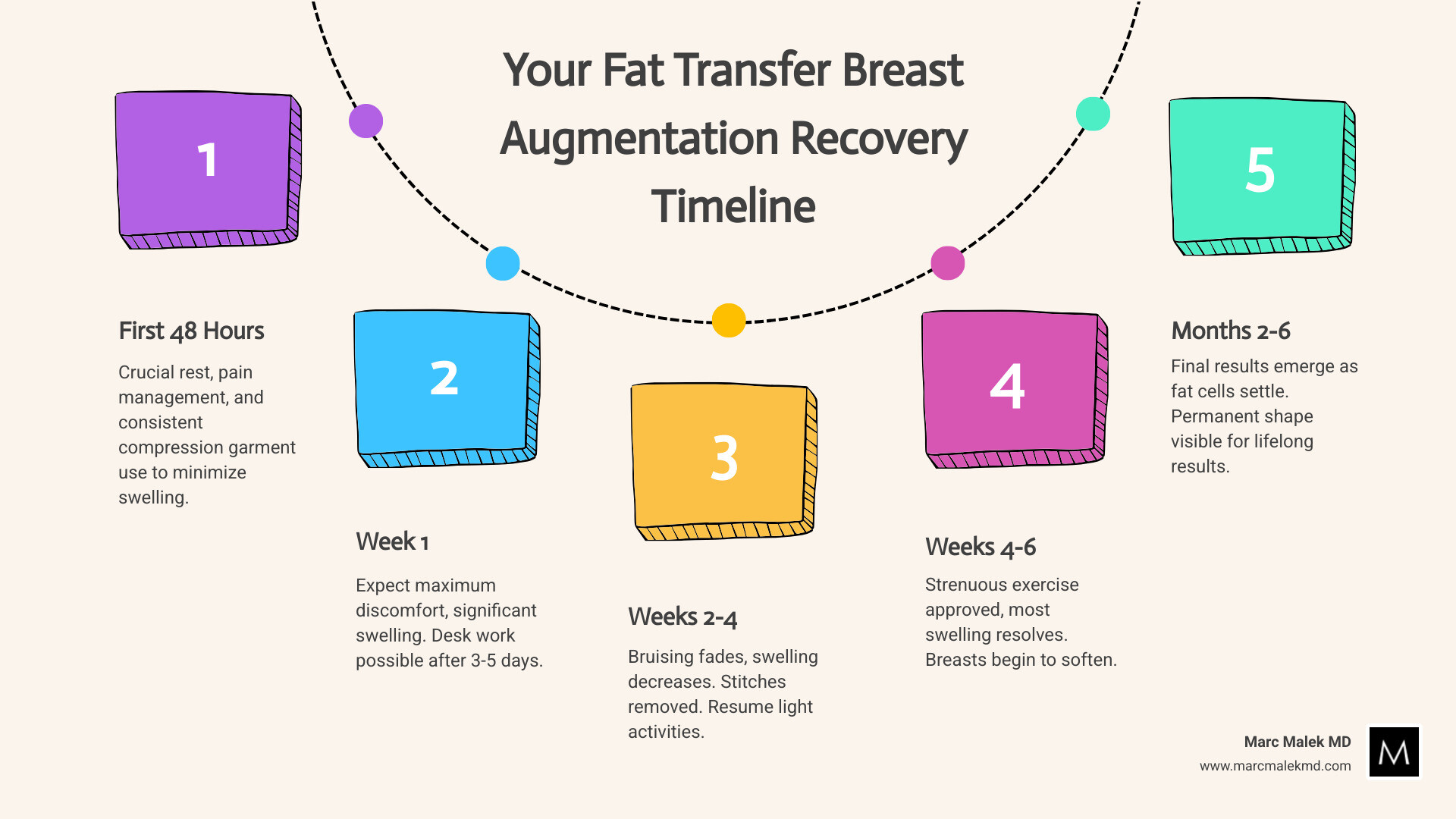
- First 48 hours: Rest, manage pain, wear compression garments, expect swelling and tenderness
- Week 1: Maximum discomfort, significant swelling, return to desk work possible after 3-5 days
- Weeks 2-4: Bruising fades, swelling decreases, stitches removed, light activities resume
- Weeks 4-6: Strenuous exercise approved, most swelling resolves
- Up to 6 months: Final results become visible as fat cells settle and breasts reach their permanent shape
Recovery from fat transfer breast augmentation typically takes 3-5 weeks for major swelling to subside, though you can return to work and light activities in just 3-5 days. Most patients feel ready for their normal routine within 4-6 weeks, but it takes up to six months to see your final results as the transferred fat cells establish their new blood supply and settle into place.
This procedure offers a dual benefit: your breasts gain natural volume while the donor areas (like your abdomen or thighs) become slimmer through liposuction. Because you’re healing in two areas, your recovery experience will differ from traditional breast implants.
The good news? Most people find the recovery manageable, describing the donor site discomfort as similar to post-workout soreness. With proper rest, following your surgeon’s instructions, and a bit of patience, you’ll bounce back beautifully with results that last a lifetime.
The First 48 Hours: Immediate Post-Operative Care
The initial 48 hours after your breast augmentation with fat transfer recovery are crucial for setting the stage for a smooth healing process. As you awaken from anesthesia, you’ll notice your chest is wrapped, and you’ll likely be wearing a surgical bra or compression garment. This immediate support is vital for minimizing swelling and supporting your newly contoured breasts.
Pain Management
It’s completely normal to experience some pain, soreness, and discomfort in both your breasts and the liposuctioned areas. Maximum discomfort typically occurs during these first few days. Your surgeon will prescribe pain medication, which you should take as directed. Over-the-counter options like acetaminophen can also help manage discomfort. Our goal is for you to be as comfortable as possible, so don’t hesitate to communicate your pain levels to our team.
Prescription Medication
Beyond pain relief, you might also receive prescriptions for antibiotics to prevent infection. Taking these exactly as instructed is a key part of preventing complications.
Swelling and Bruising
Swelling and bruising are expected. Your breasts will likely feel tender, swollen, and somewhat uncomfortable. The liposuctioned areas will also show these signs. It’s common for bruising to travel downwards due to gravity, sometimes appearing on your abdomen. To help manage this, we recommend icing the affected areas (as advised by your surgeon), maintaining compression, and keeping your body slightly liftd, especially when resting.
Rest and Hydration
Rest is paramount during these first two days. Your body is working hard to heal, and adequate rest supports this process. We also can’t stress enough the importance of hydration! Aim for 64-100 ounces of water daily. Staying well-hydrated is crucial for skin healing, reducing swelling, and keeping your digestion on track, especially with pain medication.
Post-Operative Diet
What you eat matters significantly during recovery. We recommend a well-balanced diet rich in lean protein (chicken, fish, eggs, tofu), whole grains, fresh fruits, vegetables, and healthy fats (like avocado or olive oil). Protein is essential for tissue repair. Conversely, try to avoid salt, sugar, caffeine, alcohol, and refined carbohydrates for at least a month, as these can hinder healing and increase swelling.
Sleeping on Your Back
To protect your breasts and ensure the best results, you’ll need to sleep on your back, keeping pressure off your breasts. Elevating your back with pillows can make this more comfortable and further help reduce swelling.
Compression Garments and Incision Care
You’ll wear a special compression garment or surgical bra around the clock, as instructed by your surgeon. This isn’t just a fashion statement; it’s vital for minimizing swelling and helping your new contours take shape. Loose-fitting clothing will be your best friend to avoid any compression on your breasts. For incision care, keep the sites clean and inspect them daily for any unusual signs.
For more detailed information on what to expect, you can refer to the Cleveland Clinic’s guide on What to expect after a fat transfer procedure.
Activities and Sensations to Expect
During these initial 48 hours, your mobility will be limited. You may feel some numbness or hypersensitivity in your breasts as nerves begin to regenerate. This is temporary and will subside with time. It’s important to avoid any pressure on your breasts. This means no massaging your breasts after fat transfer procedures, as pressure and agitation can discourage the delicate fat cells from adhering to their new location.
We highly recommend arranging for assistance at home for tasks like caring for children, cooking, and cleaning, as lifting anything over 10 pounds is off-limits for the first week. While strenuous activity is out, light walking for brief, frequent periods throughout the day is encouraged. This gentle movement promotes circulation and helps prevent blood clots.
Your Week-by-Week Breast Augmentation with Fat Transfer Recovery Timeline

The journey to your final, beautiful results is a progressive one, marked by different milestones each week. Patience is truly a virtue during this period, and consistently following your surgeon’s instructions will pave the way for the best possible outcome. Let’s walk through what you can expect as you move through your breast augmentation with fat transfer recovery.
Week 1: Rest, Recover, and Gentle Movement
The first week is often the most challenging, but also where you’ll see the most significant initial changes.
- Maximum Discomfort: The first few days post-procedure will be when you experience the most discomfort, soreness, and tenderness. Rest assured, this will gradually improve.
- Managing Pain: Continue to take your prescribed pain medication as directed. Don’t try to be a hero; staying comfortable allows your body to focus on healing.
- Significant Swelling and Bruising: Expect prominent swelling and bruising in both your breasts and the donor areas. This is a normal part of the healing process.
- Donor Site Soreness: The liposuctioned areas (abdomen, thighs, etc.) will likely feel sore, similar to how you’d feel after an intense workout. This sensation is often more noticeable than the breast discomfort for some patients.
- Breast Tenderness: Your breasts will be tender to the touch, and you’ll need to be mindful of avoiding any direct pressure.
- Returning to Desk Work: Many of our patients in Scottsdale and Phoenix find they can return to desk-based work and light activities within 3 to 5 days, depending on their comfort level and the nature of their job.
- Activity Restrictions: Absolutely no lifting anything over 10 pounds during this first week.
- Gentle Movement: Continue with short, frequent walks around your home. This helps with circulation and prevents stiffness without putting strain on your healing body.
Weeks 2-4: Turning a Corner and Seeing Progress
As you move into the second week, you’ll start to feel like you’re turning a corner.
- Bruising Subsides: Most of the noticeable bruising will begin to fade significantly during this period, revealing more of your new contours.
- Swelling Gradually Decreases: While still present, the major swelling will continue to reduce, making you feel more comfortable and allowing you to better appreciate your initial results.
- Resuming Light Activities: You can gradually start to resume more light daily activities as your energy returns and discomfort lessens.
- Driving: You can typically resume driving once you are no longer taking prescription pain medication and feel comfortable and alert enough to operate a vehicle safely. A pillow placed between your chest and the seatbelt can add comfort.
- Continued Compression Garment Use: We generally recommend wearing your compression garments for at least two weeks, often followed by another 10 weeks of compression clothing or a supportive sports bra during the day. Consistent use is key to helping reduce swelling and support your new shape.
- Stitches Removed: Any surface stitches that were placed will typically be removed between 7 to 14 days post-procedure.
- Further Guidance: For more detailed aftercare and recovery information, you can consult resources like Aftercare and Recovery Information from The Aesthetic Society.
Weeks 4-6 and Beyond: Returning to Your Full Routine
This period marks significant progress towards returning to your normal life.
- Resuming Strenuous Exercise: Most patients can gradually begin to reintroduce strenuous exercise and more vigorous activities around 4 to 6 weeks post-surgery. However, moderate exercise may be possible as early as 3 weeks, while severe exercise might need to wait until 3 months. Always listen to your body and follow your surgeon’s specific guidance.
- Upper Body Workouts: Avoid upper body workouts for at least three weeks to prevent undue strain on your healing breasts.
- Final Swelling Resolves: While the major swelling is gone by 3-5 weeks, subtle swelling can persist for up to six months. Don’t be surprised if your breasts continue to refine their shape during this time.
- Nerve Regeneration Sensations: As your nerves regenerate, you might experience temporary sensations like tingling, burning, or shooting pains. This is a normal part of the healing process and will subside over time. Gentle massaging of the nipples, if they become hypersensitive, can sometimes help.
- Breasts Begin to Soften: As swelling reduces and the fat grafts fully integrate, your breasts will begin to soften and feel more natural.
- Final Shape Emerges: Your breasts will conform to their final shape around six months post-procedure. This is when you’ll truly see the long-term results of your fat transfer breast augmentation.
Understanding Your Results and Potential Complications
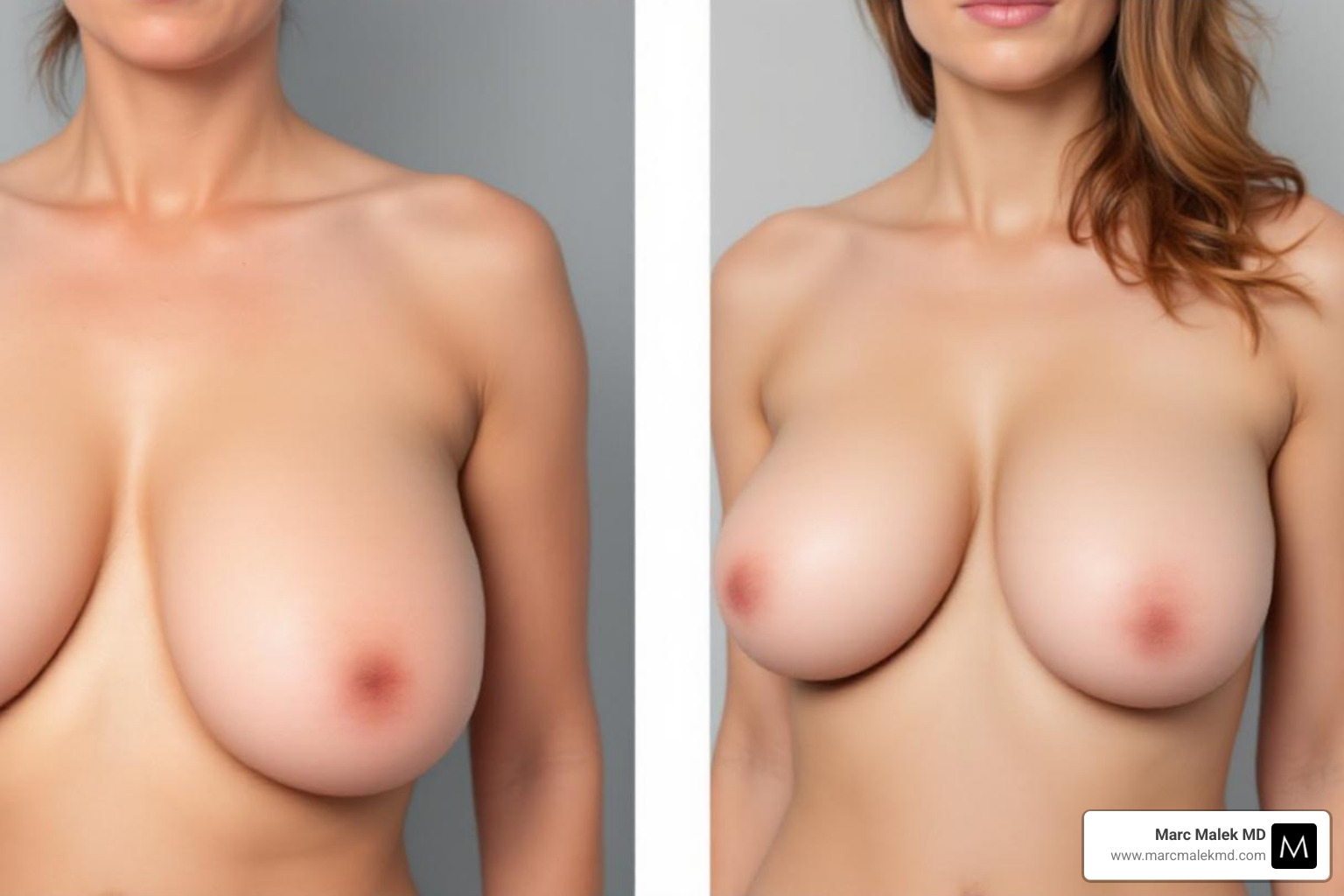
Achieving your desired aesthetic outcome with breast augmentation with fat transfer recovery involves not just following post-operative instructions but also understanding the nuances of how your body heals and what to expect in the long run.
How the Donor Site and Breast Area Recover Differently
One of the unique aspects of fat transfer breast augmentation is that you’re essentially recovering from two procedures at once: liposuction at the donor site and fat grafting in the breasts.
- Donor Site Recovery: The areas where fat was harvested (e.g., abdomen, flanks, thighs) will experience bruising, swelling, and soreness from the liposuction. You’ll typically wear compression garments on these areas to help reduce swelling and encourage skin retraction. It’s common for bruising and swelling from these areas to travel downwards due to gravity. The discomfort here is often described as feeling like you’ve had a very intense workout.
- Breast Area Recovery: Your breasts will feel tender, swollen, and potentially numb or hypersensitive. The primary concern in the breasts is to support the grafted fat as it develops a new blood supply. This is why avoiding pressure and massage is crucial in the early weeks.
- Fat Graft Survival: It’s important to know that not all transferred fat cells will survive. Our surgeons typically inject more fat than needed, anticipating that a portion will be reabsorbed by the body. Once the fat cells successfully integrate and establish a new blood supply, they are permanent.
- Uneven Healing: Don’t be alarmed if your two breasts appear to heal differently initially. One might swell more, feel more uncomfortable, or seem to have a slightly different shape. This is quite common, and after complete healing, they should look remarkably similar and natural.
When to Call Your Surgeon: Recognizing Warning Signs
While complications are rare, it’s crucial to be aware of signs that warrant immediate attention from our team in Scottsdale or Phoenix. Always err on the side of caution and reach out if you experience any of the following:
- Fever: A temperature of 101°F (38.3°C) or greater.
- Severe, Unrelieved Pain: Pain that is not adequately managed by your prescribed medication.
- Signs of Infection: Increased redness, warmth, swelling, bleeding, or foul-smelling discharge from any incision site.
- Excessive Bleeding: Any significant or persistent bleeding from the surgical areas.
- Persistent Nausea or Vomiting: If you’re unable to keep fluids down.
- Inability to Urinate: If you haven’t urinated for more than six hours after returning home from surgery.
- Unusual Swelling or Hardness: Any sudden, significant increase in swelling or development of hard lumps.
Long-Term Results: What to Expect at 6 Months and Beyond
The beauty of fat transfer breast augmentation truly shines in its long-term results.
- Final Results Visible: While you’ll see immediate changes, the final results of your procedure typically become visible around six months. This is because it takes time for the transferred fat cells to fully settle, establish their blood supply, and integrate with your existing breast tissue.
- Permanence of Results: Once the fat cells have successfully grafted, they are considered permanent. Unlike implants, which may require replacement surgery every 10 to 15 years, your own fat, once integrated, lasts indefinitely.
- Impact of Weight Fluctuations: Since the transferred fat is living tissue, it will behave like other fat cells in your body. Significant weight fluctuations (gain or loss) can affect the size and shape of your breasts. Maintaining a stable, healthy weight is key to preserving your beautiful results.
- Natural Look and Feel: One of the most cherished benefits of fat transfer breast augmentation is the incredibly natural look and feel it provides. Because we’re using your own tissue, the results are soft, subtle, and blend seamlessly with your body.
Fat Transfer vs. Implant Recovery: A Quick Comparison
When considering breast augmentation, it’s helpful to understand how breast augmentation with fat transfer recovery stacks up against recovery from traditional breast implants. While both procedures aim to improve breast size and shape, their recovery journeys have distinct differences.
Here’s a quick comparison to help illustrate these points:
| Feature | Fat Transfer Breast Augmentation Recovery | Breast Implant Augmentation Recovery |
|---|---|---|
| Incision Size | Very small incisions (a few millimeters) for liposuction and fat injection. These typically heal very discreetly. | Larger incisions (several centimeters) are required to insert implants, often in the inframammary fold, periareolar area, or armpit. |
| Pain Level | Often described as soreness, similar to an intense workout, particularly at the donor (liposuction) sites. Breasts may be tender and swollen. Maximum discomfort in the first few days. | Can involve more acute pain and tightness in the chest, especially if implants are placed under the muscle. Pain is localized mainly to the breast area. |
| Recovery Timeline | Major swelling reduces in 3-5 weeks. Can return to desk work in 3-5 days. Full routine in 4-6 weeks, but final results take up to 6 months to settle. Healing occurs at two sites. | Acute pain subsides in 1-5 days. Soreness and swelling can last a few weeks. Return to light activities often in 1-2 weeks. Full routine in 4-6 weeks. Healing primarily focused on the breast area. |
| Activity Restrictions | No lifting over 10 lbs for 1 week. Avoid strenuous activity for 4-6 weeks. No massage on breasts. Focus on protecting fat grafts. | No heavy lifting for at least 4 weeks. Avoid strenuous activity for 4-6 weeks. May have specific instructions for arm movement or displacement exercises depending on implant placement. |
| Long-Term Maintenance | Once fat cells are established, results are permanent. However, significant weight changes can affect breast size. No foreign objects requiring replacement. | Implants may need replacement surgery every 10-15 years. Risks include capsular contracture, rupture, and BIA-ALCL (Breast Implant-Associated Anaplastic Large Cell Lymphoma), which require monitoring. |
| Natural Feel | Provides an exceptionally natural look and soft, supple feel because it uses your body’s own tissue. | Can feel natural, but some patients may feel the implant or notice a firmer texture, especially if placed above the muscle. |
While both procedures offer fantastic results, our Arizona patients often appreciate that fat transfer uses their own natural tissue, providing a very organic outcome without the need for foreign implants. It’s a fantastic option if you’re looking for a subtle improvement and have sufficient donor fat. For more general information on breast augmentation recovery, you can always consult resources like the American Society of Plastic Surgeons’ guide on General breast augmentation recovery info.
Frequently Asked Questions About Your Recovery
We know you’ll have lots of questions as you start on your breast augmentation with fat transfer recovery journey. Here are some of the most common inquiries we receive from our patients in Scottsdale and Phoenix:
How long will swelling and bruising last after the procedure?
Swelling and bruising are normal and expected parts of the healing process for both the breasts and the donor sites. You’ll likely see the most prominent swelling and bruising during the first 1-2 weeks. Major swelling typically reduces significantly within 3 to 5 weeks. However, don’t be surprised if some subtle, residual swelling persists for up to six months. Bruising can also be a bit of a traveler, sometimes moving downwards into your abdomen due to gravity, which is completely normal. Consistent use of your compression garments and adherence to our post-operative instructions will help minimize these effects.
When can I resume my normal exercise routine?
We encourage light walking immediately after your procedure to promote circulation and prevent blood clots. However, more strenuous activities and heavy lifting (anything over 10 pounds) should be avoided for at least 4 to 6 weeks. Moderate exercise, like brisk walking or cycling, might be possible around 3 weeks, but you should always get clearance from your surgeon first. For intense workouts, especially those involving the upper body, we advise waiting until at least 4 to 6 weeks, and sometimes up to 3 months for very severe exercise, to ensure the fat grafts have fully integrated and your body has healed. Listening to your body and our specific guidance is key to a safe return to your fitness routine.
How does recovery for breast augmentation with fat transfer compare to implants?
The recovery process for fat transfer breast augmentation has a few key differences compared to implant-based augmentation.
Firstly, with fat transfer, you’re recovering from two sites: the donor area where fat was harvested (via liposuction) and the breast area where it was injected. The discomfort at the donor site is often described as a deep soreness, similar to how your muscles feel after a very tough workout. In contrast, implant recovery typically focuses solely on the chest area, and patients might experience more initial tightness and acute pain, especially if the implants are placed under the muscle.
Secondly, fat transfer involves much smaller incisions for both fat harvesting and injection, which tend to heal very discreetly. With implants, larger incisions are necessary to accommodate the implant.
Finally, a major advantage of fat transfer recovery is the absence of implant-specific complications like rupture, capsular contracture (hardening of scar tissue around the implant), or BIA-ALCL. While fat transfer has its own set of potential risks (like fat cell reabsorption or calcifications), these are distinct from those associated with foreign objects. For more general breast augmentation recovery information, you can always refer to reputable sources like the American Society of Plastic Surgeons.
Your Next Steps to a Beautiful, Natural Result
Navigating your breast augmentation with fat transfer recovery is a journey that requires patience, discipline, and a strong partnership with your surgical team. By understanding what to expect, diligently following post-operative instructions, and maintaining open communication with our office, you set yourself up for the most successful and beautiful outcome.
At Marc Malek MD, we believe in a personal and artistic approach to plastic surgery. Dr. Malek is dedicated to delivering fantastic, long-lasting results that improve your natural beauty. We prioritize your comfort, convenience, and overall well-being, promoting a healthy lifestyle that contributes to a proportionally balanced body. Your recovery is a crucial part of achieving that balance.
We are here to support you every step of the way, from your initial consultation through your entire recovery journey. If you’re considering breast augmentation with fat transfer or have more questions about the recovery process, we invite you to reach out.
Ready to explore how we can help you achieve your aesthetic goals with a natural, lasting improvement? We encourage you to Schedule your breast augmentation consultation at our Scottsdale or Phoenix, Arizona office today. Let’s work together to help you bounce back beautifully!