
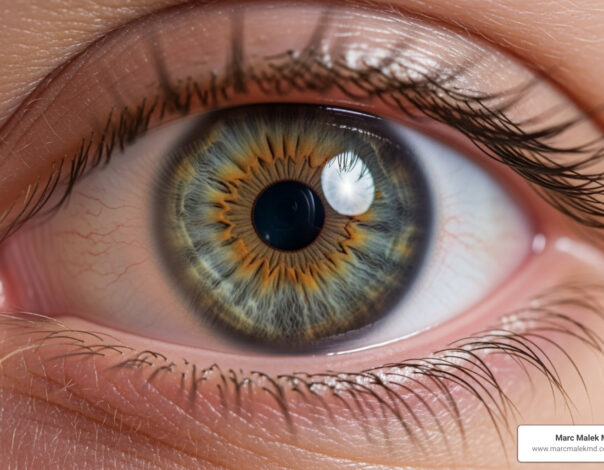
Understanding Eyelid Lowering Surgery: What It Is and Why It Matters
Eyelid lowering surgery is a specialized procedure designed to correct upper eyelid retraction—a condition where the eyelid sits too high, exposing more of the white part of the eye than normal. This isn’t just a cosmetic concern. When your upper eyelid doesn’t close properly, it can lead to serious discomfort and even damage to your eye’s surface.
Quick Answer: What You Need to Know About Eyelid Lowering Surgery
- What it fixes: Upper eyelid retraction that causes incomplete blinking and eye exposure
- Common causes: Thyroid Eye Disease (most common), facial nerve palsy, trauma, or congenital conditions
- How it works: Surgeons release or lengthen the muscles that lift your eyelid, allowing it to rest in a lower, more natural position
- Recovery time: Most people return to public activities in 10-14 days
- Main benefits: Relieves eye irritation, dryness, and tearing; restores normal blinking; improves appearance
Many people with upper eyelid retraction experience frustrating cycles of dryness and watering. Your eyelid can’t close completely when you blink or sleep, which means your eye doesn’t get the lubrication it needs. This leads to redness, irritation, and constant discomfort that artificial tears can only partially address.
The surgery itself involves carefully adjusting the eyelid’s lifting muscles through either an internal approach (no visible scar) or an external incision hidden in your natural eyelid crease. The specific technique depends on how much correction you need.
This guide walks you through everything you need to know—from understanding whether you’re a candidate to what your recovery will look like. We’ll explain the conditions that require this surgery, the different surgical approaches your surgeon might use, and what realistic results you can expect.

Why Eyelid Lowering Surgery is Performed: Conditions and Symptoms
When we talk about eyelid lowering surgery, we’re often addressing more than just aesthetics. Many patients seek this procedure because they experience significant discomfort and potential harm to their eyes due to an eyelid that sits too high. Let’s dig into the medical necessity behind this procedure, understanding both the underlying causes and the uncomfortable symptoms patients often endure.
Understanding the Goals of Eyelelid Lowering Surgery
The primary goal of eyelid lowering surgery is to correct upper eyelid retraction. This condition means your upper eyelid is positioned higher than it should be, exposing more of the eyeball and leading to a range of uncomfortable symptoms.
A retracted upper eyelid directly impacts your ability to blink completely and to fully close your eye, especially during sleep. This incomplete blinking, medically known as lagophthalmos, means the front surface of your eye (the cornea) isn’t adequately lubricated. The result? Ocular redness and constant irritation, leading to cycles of dryness and excessive watering as your eye tries to compensate. Imagine the frustration of having persistently dry, irritated eyes that also constantly water!
Beyond the discomfort, chronic corneal exposure can lead to more serious complications, including corneal abrasions, ulcers, and even scarring, which can impact your vision. Therefore, restoring normal eyelid function isn’t just about comfort; it’s crucial for improving overall eye health and protecting your vision. Our aim with eyelid lowering surgery is to bring the eyelid to a more natural, functional position, allowing for proper lubrication, complete blinking, and a significant improvement in your quality of life.
Common Conditions Requiring Correction
So, what causes the upper eyelid to retract and necessitate eyelid lowering surgery? Several conditions can lead to this issue, each requiring a careful and custom approach.
The most common indication for upper eyelid lowering surgery is ‘burnt out’ or stable Thyroid Eye Disease (TED), also known as Graves’ ophthalmopathy. This autoimmune condition can cause inflammation and swelling of the tissues around the eyes, often leading to proptosis (bulging eyes) and subsequent retraction of the eyelids. While TED can be acute and inflammatory, surgery is typically performed once the disease has stabilized, though severe lid retraction in the acute phase, especially if the cornea is at risk, may also require intervention. If you have significant proptosis, addressing that bulging first is often a crucial step before considering eyelid lowering.
Other conditions that can cause upper eyelid retraction include:
- Facial nerve palsy: When the facial nerve is damaged, it can affect the muscles controlling eyelid movement, leading to retraction. This can occur due to Bell’s palsy, trauma, or other neurological issues.
- Post-traumatic retraction: Injuries to the eyelid or surrounding structures can sometimes result in scarring and muscle imbalances that pull the eyelid upward.
- Congenital conditions: In some rare cases, individuals may be born with an abnormally high upper eyelid.
- Inflammatory diseases: Conditions like ocular cicatricial pemphigoid can cause contracture of the eyelid tissues, leading to retraction.
Understanding the specific cause of your eyelid retraction is paramount. It allows us to develop a personalized treatment plan that effectively addresses both the underlying condition and your symptoms. If you’re experiencing these issues, we encourage you to explore more information about eyelid surgery and how it might help you. More info about Eyelid Surgery.
Surgical Techniques and Non-Surgical Alternatives
When it comes to addressing upper eyelid retraction, we have a range of options, from precise surgical interventions to less invasive treatments for milder cases. Our goal is always to find the most effective and appropriate solution for your unique needs.
Surgical Approaches to Lowering the Eyelid
The core of eyelid lowering surgery involves carefully adjusting the muscles responsible for lifting the upper eyelid: the levator muscle and Müller’s muscle (also known as the retractor complex muscle). The specific surgical technique we employ depends on the degree of retraction and individual patient factors.

Here are the primary surgical approaches:
-
Graded Muscle Release (Levator Muscle Recession and Müller’s Muscle Excision): This is the most common approach. We carefully release or lengthen the levator muscle and/or excise a portion of Müller’s muscle. The “graded” aspect means we precisely determine how much muscle release is needed to achieve the desired eyelid position. This allows for fine-tuning and helps prevent over or under-correction.
-
Internal Approach (Transconjunctival): For minor degrees of eyelid lowering, we can perform the surgery via the under-surface of the eyelid. This means there’s no external skin incision, resulting in no visible scar on the outside of the eyelid. This technique is ideal for small adjustments and can be quite effective.
-
External Approach (Skin Crease Incision): For more significant degrees of lid retraction, we address the issue through an incision hidden in your natural upper eyelid skin crease. This allows for greater access to the levator and Müller’s muscles, enabling more substantial adjustments. The incision is carefully closed with fine stitches, which typically fade over time and blend into the natural folds of your eyelid.
-
Use of Spacer Grafts: In some complex cases, particularly those involving severe scarring or significant tissue deficiency, we might use a spacer graft. This involves inserting a small piece of tissue (either from your own body, like hard palate mucosa, or a synthetic material) into the eyelid to help lengthen it and prevent it from retracting again.
Anesthesia Options: We typically perform eyelid lowering surgery as a day case procedure, meaning you go home the same day. It’s usually done under local anesthetic, often combined with sedation to ensure your comfort throughout the procedure. This approach minimizes discomfort while allowing for patient cooperation, which can be helpful for intraoperative adjustments of eyelid height.
Are There Non-Surgical Options?
While eyelid lowering surgery is highly effective for persistent and significant retraction, there are indeed non-surgical alternatives and complementary treatments for milder cases or specific symptoms. These options focus on alleviating discomfort or making minor aesthetic improvements.
| Treatment Type | Description |
|---|---|
| Lubricating Eye Drops and Ointments | For patients with dry eye symptoms due to exposure, frequent use of artificial tears and lubricating ointments (especially at night) can provide significant relief and protect the cornea. |
| Botulinum Toxin (Botox) Injections | In some cases, Botox can be injected into the upper eyelid’s lifting muscle (the levator muscle). This temporarily weakens the muscle, causing the eyelid to drop by 1-3 millimeters. The effect is temporary, lasting about three to four months, making it a good diagnostic tool or a short-term solution. |
| Hyaluronic Acid Fillers | Injecting a small amount of hyaluronic acid filler into the upper eyelid can add weight and volume, helping it to sit in a lower position. This is a subtle, non-permanent option for mild cases of retraction. |
| Teprotumumab (Tepezza) | For patients whose eyelid retraction is caused by active Thyroid Eye Disease, this FDA-approved medication can be a game-changer. It is an infusion therapy that targets the underlying inflammation and tissue remodeling, often improving both eye-bulging and eyelid retraction without surgery. |
ARTICLE SPECIFICATIONS
- Topic: eyelid lowering surgery
- Format: Extensive Guide
KEY QUESTIONS TO ANSWER
- What is upper eyelid lowering surgery and why is it performed?
- What are the common conditions that necessitate upper eyelid lowering surgery?
- What are the different surgical techniques used for upper eyelid lowering?
- What are the potential risks and complications associated with upper eyelid lowering surgery?
- What is the typical recovery process after upper eyelid lowering surgery?
- How does upper eyelid lowering surgery address symptoms like incomplete blinking and eye irritation?
- What are the indications for upper eyelid lowering in the context of thyroid eye disease?
- Are there any non-surgical alternatives or complementary treatments for upper eyelid retraction?
- What should a patient expect in terms of outcomes and long-term results after the surgery?
- How is the success of upper eyelid lowering surgery measured, and what are the possibilities of over or under-correction?
The Lowdown on Eyelid Lowering Surgery: Everything You Need to Know
Understanding Eyelid Lowering Surgery: What It Is and Why It Matters
Eyelid lowering surgery is a specialized procedure designed to correct upper eyelid retraction—a condition where the eyelid sits too high, exposing more of the white part of the eye than normal. This isn’t just a cosmetic concern. When your upper eyelid doesn’t close properly, it can lead to serious discomfort and even damage to your eye’s surface.
Quick Answer: What You Need to Know About Eyelid Lowering Surgery
- What it fixes: Upper eyelid retraction that causes incomplete blinking and eye exposure
- Common causes: Thyroid Eye Disease (most common), facial nerve palsy, trauma, or congenital conditions
- How it works: Surgeons release or lengthen the muscles that lift your eyelid, allowing it to rest in a lower, more natural position
- Recovery time: Most people return to public activities in 10-14 days
- Main benefits: Relieves eye irritation, dryness, and tearing; restores normal blinking; improves appearance
Many people with upper eyelid retraction experience frustrating cycles of dryness and watering. Your eyelid can’t close completely when you blink or sleep, which means your eye doesn’t get the lubrication it needs. This leads to redness, irritation, and constant discomfort that artificial tears can only partially address.
The surgery itself involves carefully adjusting the eyelid’s lifting muscles through either an internal approach (no visible scar) or an external incision hidden in your natural eyelid crease. The specific technique depends on how much correction you need.
This guide walks you through everything you need to know—from understanding whether you’re a candidate to what your recovery will look like. We’ll explain the conditions that require this surgery, the different surgical approaches your surgeon might use, and what realistic results you can expect.
Why Eyelid Lowering Surgery is Performed: Conditions and Symptoms
When we talk about eyelid lowering surgery, we’re often addressing more than just aesthetics. Many patients seek this procedure because they experience significant discomfort and potential harm to their eyes due to an eyelid that sits too high. Let’s dig into the medical necessity behind this procedure, understanding both the underlying causes and the uncomfortable symptoms patients often endure.
Understanding the Goals of Eyelid Lowering Surgery
The primary goal of eyelid lowering surgery is to correct upper eyelid retraction. This condition means your upper eyelid is positioned higher than it should be, exposing more of the eyeball and leading to a range of uncomfortable symptoms. We aim to bring the eyelid to a more natural and functional position.
A retracted upper eyelid directly impacts your ability to blink completely and to fully close your eye, especially during sleep. This incomplete blinking, medically known as lagophthalmos, means the front surface of your eye (the cornea) isn’t adequately lubricated. The result? Ocular redness and constant irritation, leading to cycles of dryness and excessive watering as your eye tries to compensate. Imagine the frustration of having persistently dry, irritated eyes that also constantly water!
Beyond the discomfort, chronic corneal exposure can lead to more serious complications, including corneal abrasions, ulcers, and even scarring, which can impact your vision. Therefore, restoring normal eyelid function isn’t just about comfort; it’s crucial for improving overall eye health and protecting your vision. Our aim with eyelid lowering surgery is to restore normal blinking, reduce eye irritation and dryness, and alleviate excessive tearing, ultimately improving your overall eye health and comfort.
Common Conditions Requiring Correction
So, what causes the upper eyelid to retract and necessitate eyelid lowering surgery? Several conditions can lead to this issue, each requiring a careful and custom approach.
The most common indication for upper eyelid lowering surgery is ‘burnt out’ or stable Thyroid Eye Disease (TED), also known as Graves’ ophthalmopathy. This autoimmune condition can cause inflammation and swelling of the tissues around the eyes, often leading to proptosis (bulging eyes) and subsequent retraction of the eyelids. While TED can be acute and inflammatory, surgery is typically performed once the disease has stabilized, though severe lid retraction in the acute phase, especially if the cornea is at risk, may also require intervention. If you have significant proptosis (bulging eyes), addressing that bulging first is often a crucial step before considering eyelid lowering.
Other conditions that can cause upper eyelid retraction include:
- Facial nerve palsy: When the facial nerve is damaged, it can affect the muscles controlling eyelid movement, leading to retraction. This can occur due to Bell’s palsy, trauma, or other neurological issues. Upper lid retraction in chronic facial nerve palsy is a common indication.
- Post-traumatic retraction: Injuries to the eyelid or surrounding structures can sometimes result in scarring and muscle imbalances that pull the eyelid upward.
- Congenital conditions: In some rare cases, individuals may be born with an abnormally high upper eyelid.
- Inflammatory diseases: Conditions like ocular cicatricial pemphigoid can cause contracture of the eyelid tissues, leading to retraction.
Understanding the specific cause of your eyelid retraction is paramount. It allows us to develop a personalized treatment plan that effectively addresses both the underlying condition and your symptoms. For more detailed information on eyelid lowering in the context of Thyroid Eye Disease, we recommend visiting the Eyelid – Upper eyelid lowering in TED page. If you’re experiencing these issues, we encourage you to explore more information about eyelid surgery and how it might help you. More info about Eyelid Surgery.
Surgical Techniques and Non-Surgical Alternatives
When it comes to addressing upper eyelid retraction, we have a range of options, from precise surgical interventions to less invasive treatments for milder cases. Our goal is always to find the most effective and appropriate solution for your unique needs.
Surgical Approaches to Lowering the Eyelid
The core of eyelid lowering surgery involves carefully adjusting the muscles responsible for lifting the upper eyelid: the levator muscle and Müller’s muscle (also known as the retractor complex muscle). The specific surgical technique we employ depends on the degree of retraction and individual patient factors.
Here are the primary surgical approaches:
-
Graded Muscle Release (Levator Muscle Recession and Müller’s Muscle Excision): This is the most common approach. We carefully release or lengthen the levator muscle and/or excise a portion of Müller’s muscle. The “graded” aspect means we precisely determine how much muscle release is needed to achieve the desired eyelid position. This allows for fine-tuning and helps prevent over or under-correction. The surgery involves releasing the levator muscle and Müller’s muscle responsible for lifting the eyelid.
-
Internal Approach (Transconjunctival): For minor degrees of eyelid lowering, we can perform the surgery via the under-surface of the eyelid. This means there’s no external skin incision, resulting in no visible scar on the outside of the eyelid. This technique is ideal for small adjustments and can be quite effective.
-
External Approach (Skin Crease Incision): For more significant degrees of lid retraction, we address the issue through an incision hidden in your natural upper eyelid skin crease. This allows for greater access to the levator and Müller’s muscles, enabling more substantial adjustments. The incision is carefully closed with fine stitches, which typically fade over time and blend into the natural folds of your eyelid.
-
Use of Spacer Grafts: In some complex cases, particularly those involving severe scarring or significant tissue deficiency, we might use a spacer graft. This involves inserting a small piece of tissue (either from your own body, like hard palate mucosa, or a synthetic material) into the eyelid to help lengthen it and prevent it from retracting again.
Anesthesia Options: We typically perform eyelid lowering surgery as a day case procedure, meaning you go home the same day. It’s usually done under local anesthetic, often combined with sedation to ensure your comfort throughout the procedure. This approach minimizes discomfort while allowing for patient cooperation, which can be helpful for intraoperative adjustments of eyelid height.
Are There Non-Surgical Options?
While eyelid lowering surgery is highly effective for persistent and significant retraction, there are indeed non-surgical alternatives and complementary treatments for milder cases or specific symptoms. These options focus on alleviating discomfort or making minor aesthetic improvements.
| Treatment Type | Description